Agave Spirits
A Lesson in Agave
Tequila
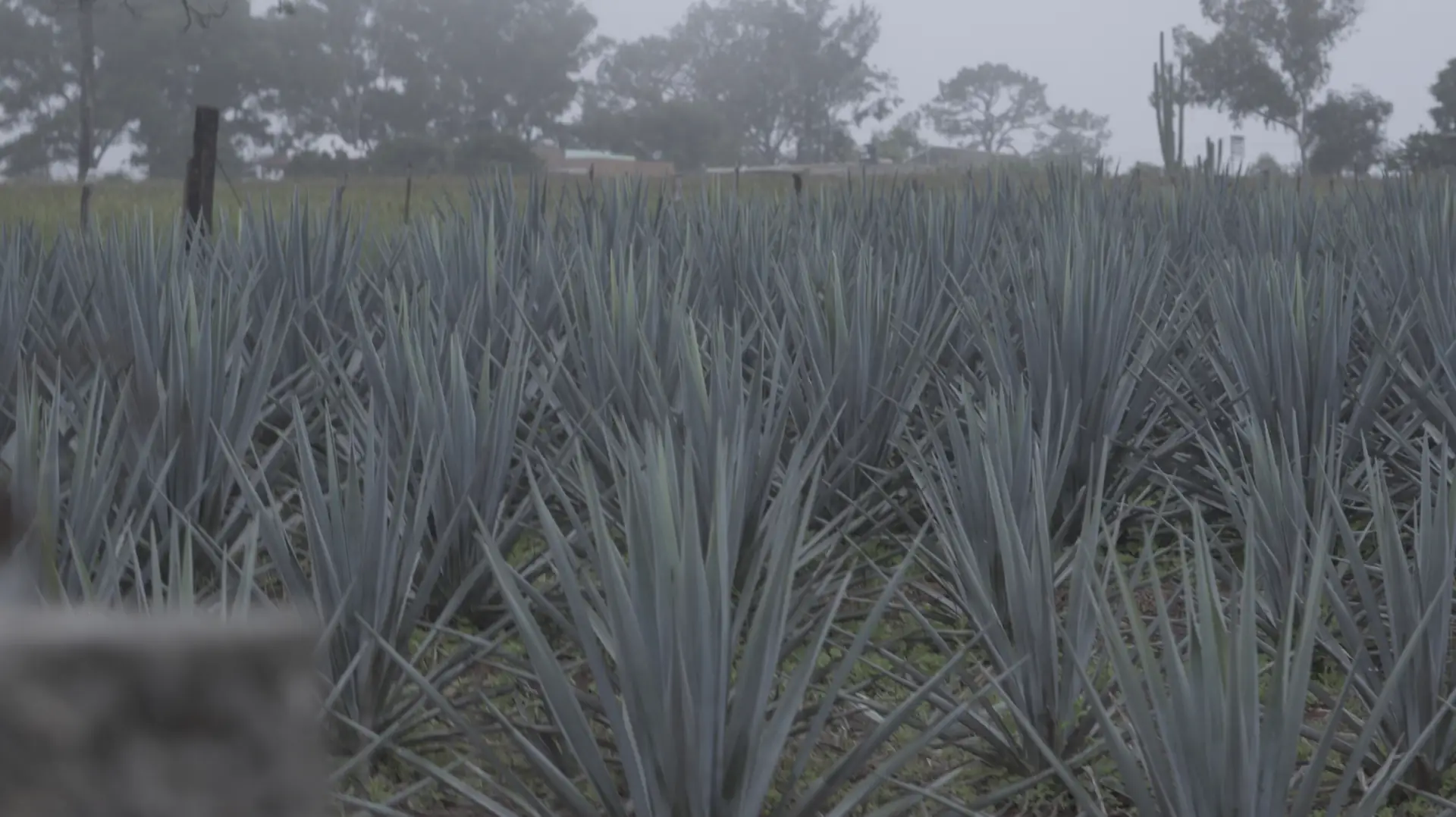
Tequila is distilled from one plant only, the blue agave (Agave tequilana), and takes its name from the town of Tequila, northwest of Guadalajara in Jalisco. In Mexico it is usually sipped neat; elsewhere it is often a shot with salt and lime, or the base of a margarita.
Mezcal
Mezcal can be distilled from almost any agave; more than 30 species are used. The name comes from the Nahuatl mexcalli, “oven-cooked agave”, which describes how it is made.
"Para todo mal, mezcal, y para todo bien, también"
("For everything bad, mezcal, and for everything good, as well")
Agave 101: Mezcal or Tequila?
Mezcal is often called tequila's smoky cousin. As the saying goes, every tequila is a mezcal, but not every mezcal is a tequila: tequila is the agave spirit made only from blue agave, in its own region, the way bourbon is one kind of whiskey. Mezcal draws on many agaves. Espadín is by far the most common, and wild agaves such as tobalá give smaller, rarer batches.
Where Tequila and Mezcal Are Made
By law, tequila can only be made in Jalisco and in parts of four other states: Guanajuato, Michoacán, Nayarit and Tamaulipas. Mezcal has its own protected region across a wider group of states, and Oaxaca makes the large majority of it.
How Mezcal Is Made
Mezcal is still mostly made by hand, in small distilleries called palenques. The hearts of the agave, the piñas, are roasted for several days in pits dug in the ground, lined with stones and heated with wood, then covered with earth: that slow roast gives mezcal its smoke. The roasted agave is crushed, often under a stone wheel called a tahona, then fermented and distilled in copper or clay stills.
Tequila starts from the same part of the plant, but the piñas are usually steamed in ovens or autoclaves rather than roasted, and the spirit is distilled at least twice.
Blanco, Reposado, Añejo
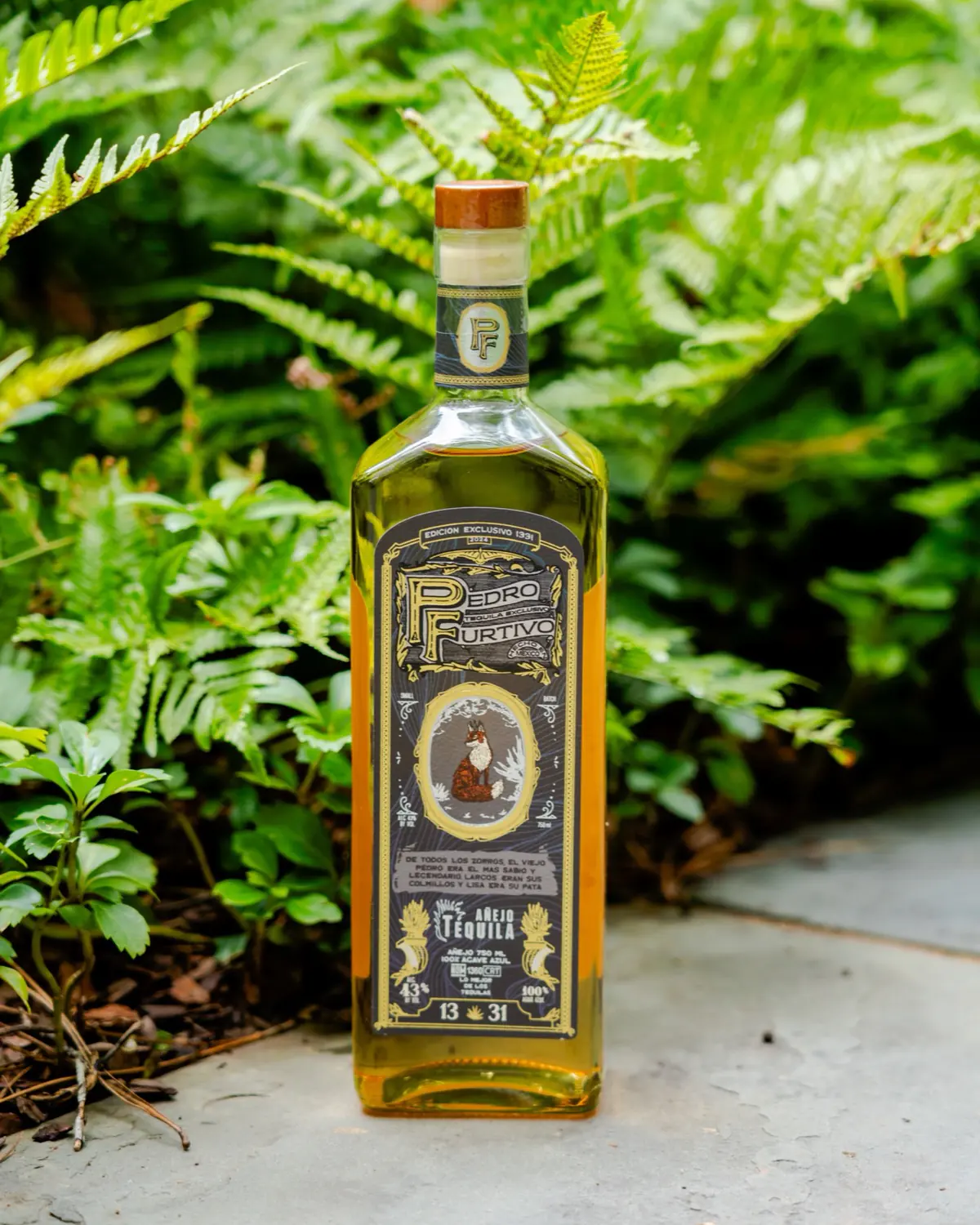
Both spirits are sorted by how long they rest in wood. Tequila blanco, also called plata, is bottled unaged or rested less than two months; reposado rests two to twelve months in oak; añejo one to three years; and extra añejo more than three. Most mezcal is bottled young (joven), though reposado and añejo mezcals are made too.